

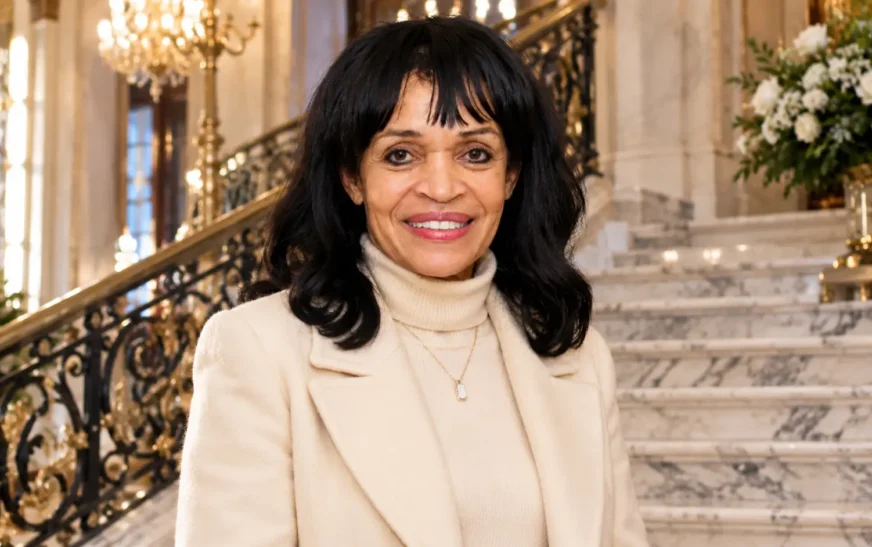
Dorothy Bowles Ford is best known as the mother of former U.S. Representative Harold Ford Jr. and the former wife of longtime Tennessee Congressman Harold Eugene Ford Sr. Although her family became prominent in American politics, Dorothy herself did not serve in elected office. Public records provide a clearer picture of her family connections and professional history than her private life. The U.S. House identifies her as Harold Ford Jr.’s mother and notes that she was a longtime employee of the U.S. Department of Agriculture. She married Harold Ford Sr. in 1969, and they had three sons before divorcing in 1999.
Interest in Dorothy Bowles Ford continues because her family occupies an important place in Tennessee political history. Her former husband served in Congress for more than two decades, while their eldest son later succeeded him in the same Memphis-based congressional seat. Dorothy’s own public record is much smaller, however, and many details repeated online are not firmly documented. In particular, her exact birth date, current residence, personal wealth, and several education claims remain uncertain. A useful biography should therefore separate established facts from repeated internet claims. This article focuses on her documented family, marriage, employment, and connection to the Ford family’s public history.
Who Is Dorothy Bowles Ford? A brief biography
| Biography Detail | Information |
|---|---|
| Full Name | Dorothy Bowles Ford |
| Known For | Mother of Harold Ford Jr. |
| Former Husband | Harold Eugene Ford Sr. |
| Marriage Year | 1969 |
| Divorce Year | 1999 |
| Children | Three sons |
| Son | Harold Ford Jr. |
| Son | Newton Jake Ford |
| Son | Sir Isaac Ford |
| Profession | Government Employee |
| Government Employer | U.S. Department of Agriculture |
| Family Connection | Ford family of Memphis, Tennessee |
| Public Profile | Private and low-profile |
| Political Family Connection | Former wife of Harold Ford Sr. and mother of Harold Ford Jr. |
| Son’s Congressional Service | Harold Ford Jr. served in the U.S. House from 1997 to 2007 |
Who Is Dorothy Bowles Ford?
Dorothy Bowles Ford is a private figure associated with one of Tennessee’s better-known political families. She became publicly connected to politics through her marriage to Harold Eugene Ford Sr., who represented Tennessee in the U.S. House from 1975 until 1997. Their eldest son, Harold Ford Jr., later entered Congress and succeeded his father in the Memphis-based seat. Dorothy herself did not become an elected politician. Instead, her documented professional background includes long-term employment with the U.S. Department of Agriculture. This distinction is important because online biographies sometimes describe her primarily through political influence, although available records do not establish that she held elected office.
Dorothy’s public identity is therefore closely connected to her family rather than a political career of her own. Harold Ford Jr.’s official House biography identifies him as the eldest son of Harold Eugene and Dorothy Bowles Ford. The same historical record notes Dorothy’s federal employment, providing one of the clearest documented details about her professional life. Beyond those records, information about her personal activities is limited. This explains why many searches for Dorothy Bowles Ford produce biographies containing conflicting claims. The most reliable approach is to focus on congressional records and other well-supported historical information instead of treating every repeated online detail as established fact. Read More : Nikki Hakuta
Dorothy Bowles Ford and Harold Ford Sr.
Dorothy Bowles Ford married Harold Eugene Ford Sr. on February 10, 1969. According to the U.S. House historical biography of Harold Ford Sr., the couple had three sons: Harold Eugene Ford Jr., Newton Jake Ford, and Sir Isaac Ford. Their marriage lasted for several decades before ending in divorce in 1999. Harold Ford Sr. later became a major figure in Tennessee politics, serving in the state legislature before winning a seat in the U.S. House. His congressional career lasted from 1975 through 1997. Dorothy therefore experienced many years of family life during a period when her husband was active in public service.
The marriage also placed Dorothy within the household of a historically significant political figure. Harold Ford Sr. became the first African-American lawmaker to represent Tennessee in the U.S. Congress, according to the House historical record. His public career involved national legislation, committee leadership, and issues affecting Memphis and other communities. Dorothy did not share that elected role, but her family became closely connected to the political life surrounding her husband. Their three sons later followed different professional paths, with Harold Ford Jr. becoming the most prominent publicly. Their marriage ended in 1999, but the family connection continued through their children and later generations.
Dorothy Bowles Ford’s Children
Dorothy Bowles Ford and Harold Ford Sr. had three sons: Harold Ford Jr., Newton Jake Ford, and Sir Isaac Ford. Harold Ford Jr. became the best-known of the three because he followed his father into Congress. The U.S. House identifies him as the eldest son of Harold Eugene and Dorothy Bowles Ford. He was born in Memphis in 1970 and later served in the House from 1997 through 2007. His election meant that he succeeded his father in the same congressional seat, creating an unusual family connection in American political history.
Dorothy’s other sons, Newton Jake and Sir Isaac, have received considerably less national attention than Harold Ford Jr. Their lower public profiles mean that fewer reliable details about their personal lives are available. Harold Ford Jr., meanwhile, developed a career that extended beyond Congress into finance, media, and public commentary. The House historical record notes that he moved to New York after leaving Congress and worked in financial services and television. His continued visibility has helped keep interest in his family, including his mother Dorothy. However, his public career should not be confused with Dorothy’s own documented professional history.
Dorothy Bowles Ford’s Career
One of the clearest facts about Dorothy Bowles Ford concerns her employment. The U.S. House historical biography of Harold Ford Jr. identifies Dorothy as a longtime employee of the U.S. Department of Agriculture. This provides a documented professional connection outside the political careers of her husband and son. Some websites instead describe her as a consumer coordinator or functions regulator at Potomac Electric Power, commonly known as PEPCO. However, those claims are not supported as strongly by the congressional sources documenting her family history and employment. For an accurate biography, the Department of Agriculture record is therefore the safer documented description.
Her federal employment is significant because it shows that Dorothy had a professional identity separate from her family’s political activities. She was not simply known through her husband or son. However, detailed information about her position, responsibilities, years of service, and later employment is limited in authoritative public records. That lack of detail should not be filled with unsupported claims. Many online profiles provide specific job titles without showing reliable documentation. When researching Dorothy Bowles Ford, it is better to acknowledge what the historical record establishes and leave uncertain details unconfirmed. This approach provides readers with a more accurate picture of her working life.
Dorothy Bowles Ford and Harold Ford Jr.
Harold Ford Jr. became the most nationally visible member of Dorothy Bowles Ford’s immediate family. He was elected to the U.S. House in 1996 and began serving in January 1997. His election was historically notable because he succeeded his father in the same congressional seat. The House historical record describes him as the first African-American Representative whose son succeeded him in Congress. Dorothy was therefore the mother of a politician who continued a family connection to the same Memphis-based congressional district. This connection is a major reason her name remains associated with Tennessee political history today.
Ford Jr.’s political career lasted until January 2007. After leaving Congress, he moved into finance, television commentary, teaching, and public affairs. His continued appearances in national media have kept the Ford family name familiar to audiences beyond Tennessee. Dorothy’s connection to him is straightforward and well documented: she is his mother. However, the public record does not provide extensive evidence about how she influenced individual political decisions or campaigns. Claims that she served as a political adviser should therefore be treated cautiously unless supported by specific documentation. Her strongest documented role is as a parent and federal employee.
Dorothy Bowles Ford’s Place in Ford Family History
The Ford family has a long connection with Memphis and Tennessee public life. Harold Ford Sr. entered the Tennessee state legislature in the early 1970s before winning a seat in Congress in 1974. He then served for more than two decades. His son Harold Ford Jr. later followed him into the U.S. House, serving from 1997 to 2007. Dorothy was part of the family during both congressional careers. Her position within that history is therefore primarily familial, although her own professional employment also formed part of her independent identity.
The family story also illustrates how political careers can extend across generations. Harold Ford Sr.’s congressional service ended in 1997, while his son’s began the same year. The younger Ford later developed a career outside elected office, including financial services and television commentary. Dorothy remained much less visible than either man. This difference explains why reliable information about her is harder to find. Public records were created extensively for elected officials, while private family members generally received far less documentation. Consequently, Dorothy’s biography should be built from the evidence that exists rather than from assumptions based on her family’s public reputation.
What Is Known About Dorothy Bowles Ford’s Personal Life?
Dorothy Bowles Ford has maintained a relatively private public profile. Her marriage to Harold Ford Sr., their three sons, and her federal employment are documented through historical records. However, details about her current residence, present occupation, relationship status, and everyday activities are not firmly established in authoritative sources. Some online biographies provide specific answers to these questions, but repeated claims do not necessarily mean that information has been independently verified. For that reason, readers should be careful when encountering detailed personal profiles that provide no clear evidence. Privacy is an important part of understanding Dorothy’s limited public record.
Her exact birth date and age are also uncertain. A 1949 birth year appears frequently on biography websites, but the authoritative congressional records reviewed for this profile do not establish that year as confirmed. Similar caution applies to claims about her birthplace and education. Some sources connect her with Memphis schools, but those details may be confused with information documented about Harold Ford Sr. The safest approach is to avoid presenting uncertain personal information as fact. For readers researching Dorothy Bowles Ford, the documented family and career details provide a stronger foundation than unsupported biographical estimates.
Dorothy Bowles Ford’s Public Legacy
Dorothy Bowles Ford’s public legacy is closely connected to her role within a family that became significant in Tennessee political history. Her former husband served in Congress for more than two decades, and her eldest son later succeeded him. Both men represented the Memphis area in the U.S. House during different periods. Dorothy herself did not hold elected office, but her name remains part of the historical record because she was the mother of Harold Ford Jr. and wife of Harold Ford Sr. Her own federal employment also demonstrates that her identity extended beyond the political careers of her relatives.
It is useful to describe Dorothy’s legacy without exaggerating her public role. There is evidence that she worked for the Department of Agriculture and raised three sons within a politically prominent family. There is much less evidence supporting claims that she personally directed political campaigns or shaped specific legislation. This distinction matters when writing about people connected to public figures. Dorothy’s story is valuable because it provides family context around two generations of congressional service. Readers interested in the wider history can also explore our Harold Ford Jr. biography, Harold Ford Sr. profile, and Tennessee political history articles for related background.
Why Is Dorothy Bowles Ford Still Searched?
Interest in Dorothy Bowles Ford continues largely because Harold Ford Jr. remains a recognizable public figure. Although he left Congress in 2007, his later work in finance, television commentary, and public affairs has kept his name in national media. His House biography identifies Dorothy as his mother, making her an important part of his documented family background. Searches for her therefore often begin with people trying to understand Ford Jr.’s parents and early family environment. The continuing visibility of the Ford family has helped keep Dorothy’s name in online searches despite her comparatively private life.
Search interest also reflects curiosity about political families and generational public service. Harold Ford Sr. served in Congress for more than twenty years, and Harold Ford Jr. later succeeded him in the same seat. That unusual succession naturally encourages questions about the family members who lived through both careers. Dorothy’s role is particularly interesting because she remained outside elected politics while being closely connected to it. Her biography therefore offers a quieter perspective on the Ford family story. The most useful information remains the documented record of her marriage, children, employment, and connection to the Ford family.
Frequently Asked Questions About Dorothy Bowles Ford
Who is Dorothy Bowles Ford?
Dorothy Bowles Ford is best known as Harold Ford Jr.’s mother and Harold Ford Sr.’s former wife.
Who was Dorothy Bowles Ford married to?
She married former Congressman Harold Eugene Ford Sr. on February 10, 1969, and they divorced in 1999.
How many children does Dorothy Bowles Ford have?
She and Harold Ford Sr. had three sons: Harold Ford Jr., Newton Jake Ford, and Sir Isaac Ford.
What did Dorothy Bowles Ford do for work?
The U.S. House identifies Dorothy as a longtime employee of the U.S. Department of Agriculture.
Is Dorothy Bowles Ford a politician?
No; unlike her former husband and son, she did not serve as an elected member of Congress.
Conclusion
Dorothy Bowles Ford is best understood through her documented connection to the Ford family and her own professional history. She was married to Harold Ford Sr. from 1969 until their divorce in 1999 and became the mother of three sons, including former Congressman Harold Ford Jr. The U.S. House also identifies her as a longtime Department of Agriculture employee, providing evidence of a career outside elected politics. Many other personal details frequently published online remain uncertain, including her exact birth date, current residence, and net worth. A careful biography should therefore separate confirmed information from repeated claims. Readers can explore our Harold Ford Jr. biography and family history articles for additional context.














1 Comment
[…] Public information about Denika Kisty is relatively limited compared with many people connected to professional sports. She has generally maintained a private lifestyle and has not built a large entertainment career around her family connection. This privacy means some websites publish details that cannot be independently confirmed. Information about her exact birth date, childhood, and current professional activities is especially inconsistent online. A careful biography should therefore separate documented facts from commonly repeated claims. Her athletic record provides the strongest foundation for understanding her story. Her connection to Jason Williams adds context, but it should not replace her own identity as a former high-level javelin competitor. Read More : Dorothy Bowles Ford […]